Project Snapshot
CLIENT, YEAR
WASTE Malawi for UNICEF (2024)
AREAS OF EXPERTISE
Policy and Planning, Faecal Sludge Management, Solid Waste Management
experts involved
Stan Maessen, Verele de Vreede, Sophie van den Berg
Project Overview
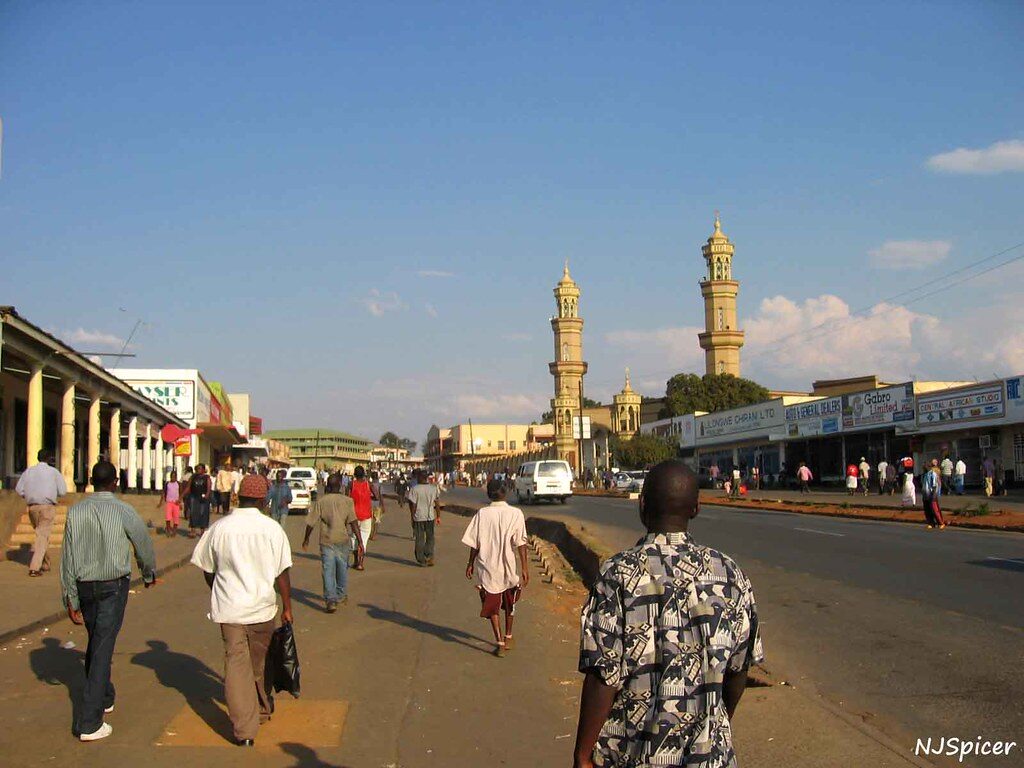
The Lilongwe City Council (LCC) in collaboration with the World Bank wished to enhance their service delivery for both faecal sludge management (FSM) and solid waste management (SWM), which resulted in sectoral long-term strategic plans for Lilongwe.
Based on these plans, the consortium got the assignment to convert these strategic plans into practical implementation guides and frameworks. The assignment is building upon an earlier project in which an assessment of both sectors had been done resulting in a so-called SQUAT diagram.
See related project: Solid waste value chain assessment for Lilongwe
The Challenge
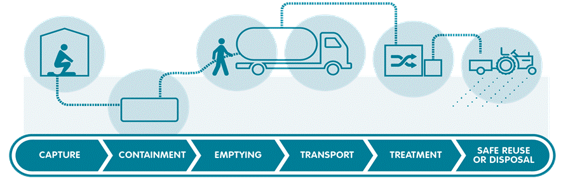
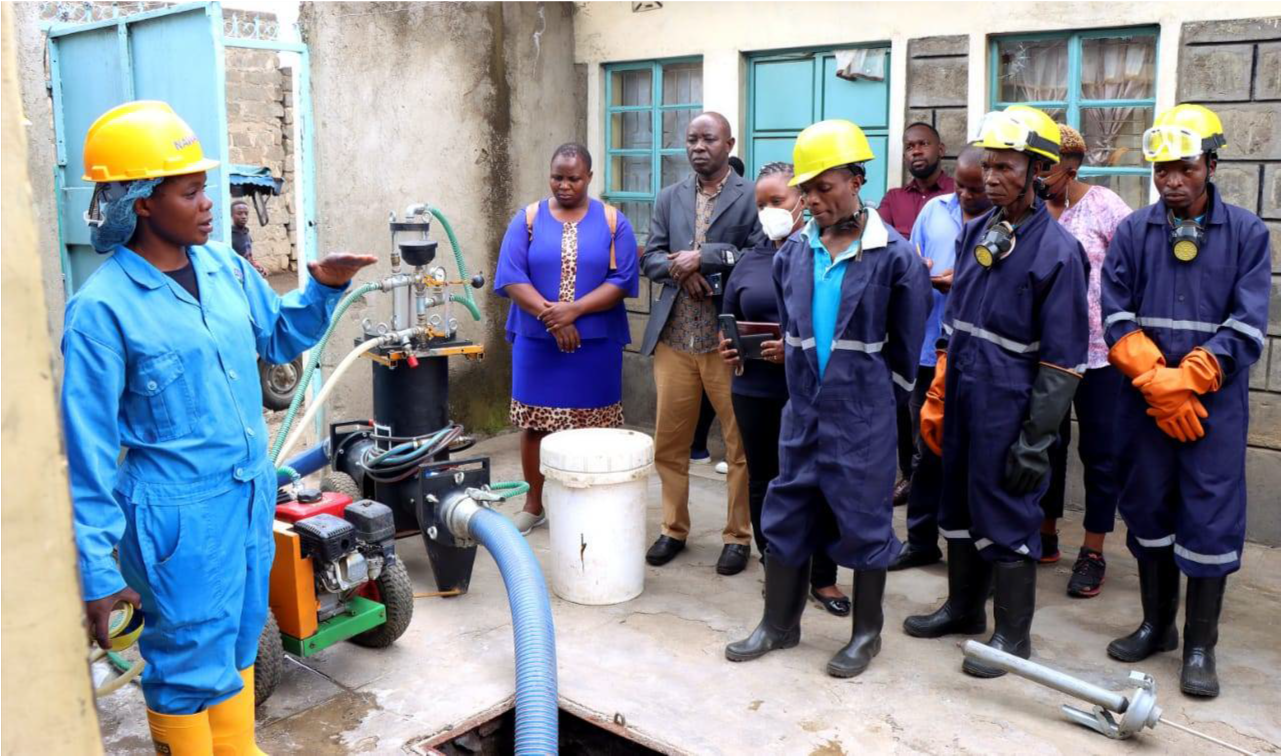
89% of all households in Lilongwe rely on onsite sanitation systems (70% pit latrines and 25% septic tanks). The remaining households rely on sewers and sewage treatment plants which are dilapidated due to a lack of maintenance and technical wear out. This generates significant environmental harm, as most of the sewage and sludge ends up in the environment without treatment. Faecal sludge emptying and collection from onsite systems is largely performed by small‐scale private sector operators, with minimal sector regulation or oversight from the Lilongwe City Council (LCC).
In addition, the solid waste collection services are insufficient and irregular in Lilongwe and even completely unavailable in the informal settlements across the city. An estimate (LCC, 2020) states that only 22% of municipal waste generated is collected. Most households and markets, especially in the informal settlements of Lilongwe City, dispose of their waste by burning or open dumping, causing serious threats to human health and the environment.
Our Approach
During the assignment we applied the ISWM principles and the Diamond Business Approach, focussing on rules of engagement between the major sectors involved: private-, civil- and the public sector.
For more information on our approach, please visit our Knowledge Hub.
What We Delivered
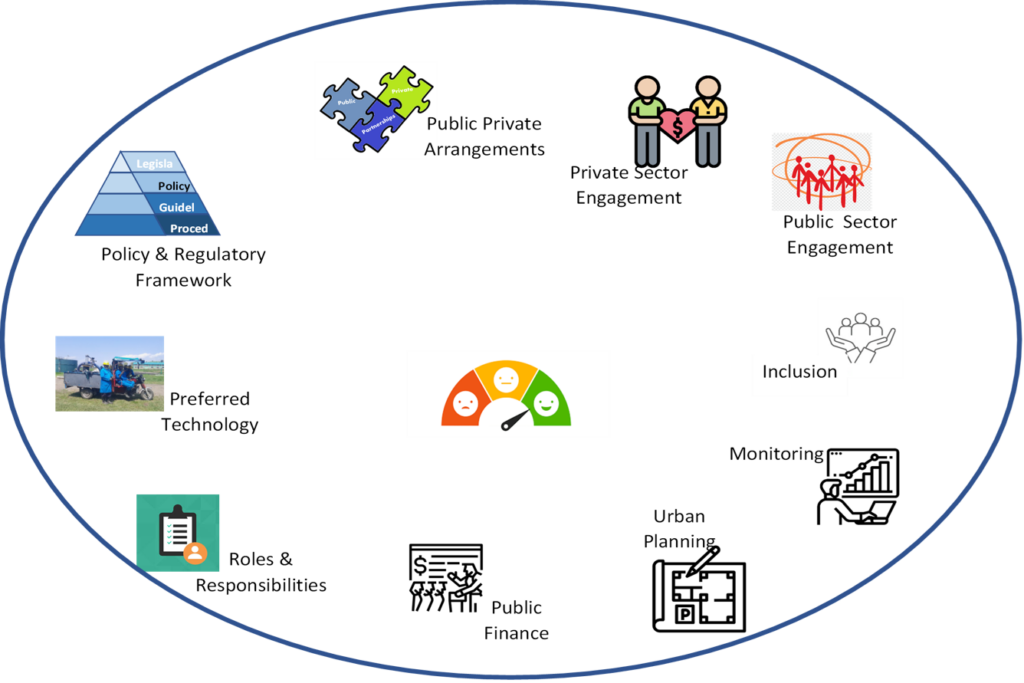
In close collaboration with Lilongwe LCC we developed an extensive document with the title: The Enabling Environment Framework For Faecal Sludge Management. It addresses all relevant aspects making a Fecal management system work. As such the contents deals with:
• Policy and regulation, outlining the existing laws and regulations, including norms for design, construction, operation, and maintenance of sanitation and FSM systems.
• Institutional and organisational structure, sketching the roles and responsibilities of the different organizations and agencies responsible for implementing the FSM framework.
• Technical guidelines, providing detailed technical information on the design, construction, operation and maintenance of FSM systems.
• Financial and economic analysis, showing the costs and benefits associated with implementing the FSM framework, including the costs of building and maintaining FSM systems, as well as the potential revenue streams from the sale of treated faecal sludge.
• Community engagement and education, offering options on how to engage with and educate communities about FSM, including strategies for raising awareness about the importance of proper sanitation and hygiene practices.
• Private sector engagement – providing a commonly agreed set of rules of engagement between the private sector and clients and private sector and the public sector in terms of communication, contracting and monitoring.
•Monitoring and evaluation guidelines to keep track of the performance of the FSM framework, including the collection and analysis of data on the quality of the treated fecal sludge, the performance of FSM systems, and the level of community engagement.
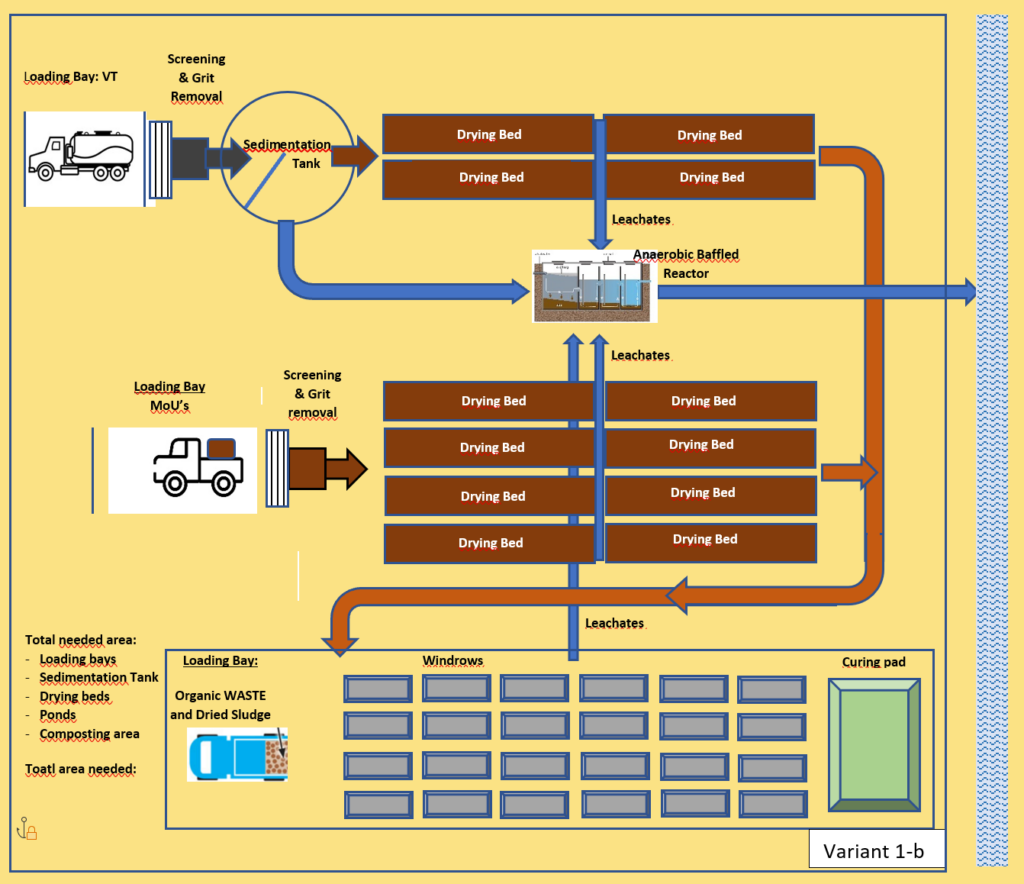
The assignment also included the feasibility study and a preliminary design for Faecal Sludge Treatment sites including different reuse options and a “Request for Proposals” for the actual construction of the sites.
The solid waste trajectory followed very much the same track, and resulted in a document offering input for a Solid Waste Management Framework in Lilongwe.
Impact & Outcomes
It may still be too early to measure concrete impacts and outcomes, but several positive developments can already be observed:
• The desludging sector in Lilongwe, which had previously been largely overlooked by local authorities, became an active partner during this intervention. It is expected that this collaboration will continue.
• Local NGOs that once operated in isolation are now better aligned with the strategic plans developed by the Lilongwe City Council (LCC).
• The LCC has begun implementing the established frameworks.
Looking Ahead
For CfID, this was the first time we applied a structured, methodological approach at a full city scale, focusing on the enabling environment across the entire value chains of both solid waste and faecal sludge management.
Through the project, we developed a deeper and more comprehensive understanding of the dynamics between different sectors—private, public, and civic—as well as stakeholders operating at various levels. We are now leveraging these insights to inform and strengthen our future interventions.
Photo Gallery