

Excerpt
Development infrastructure keeps failing not because of poor engineering, but because it’s funded as a visible substitute for progress rather than as one thread in a larger system of institutions, incentives, and relationships. The sector already knows this. The real gap is between the language of “sustainability” in programme documents and the unglamorous work that actually gets funded.
You Cannot Build Your Way Out of a Broken System
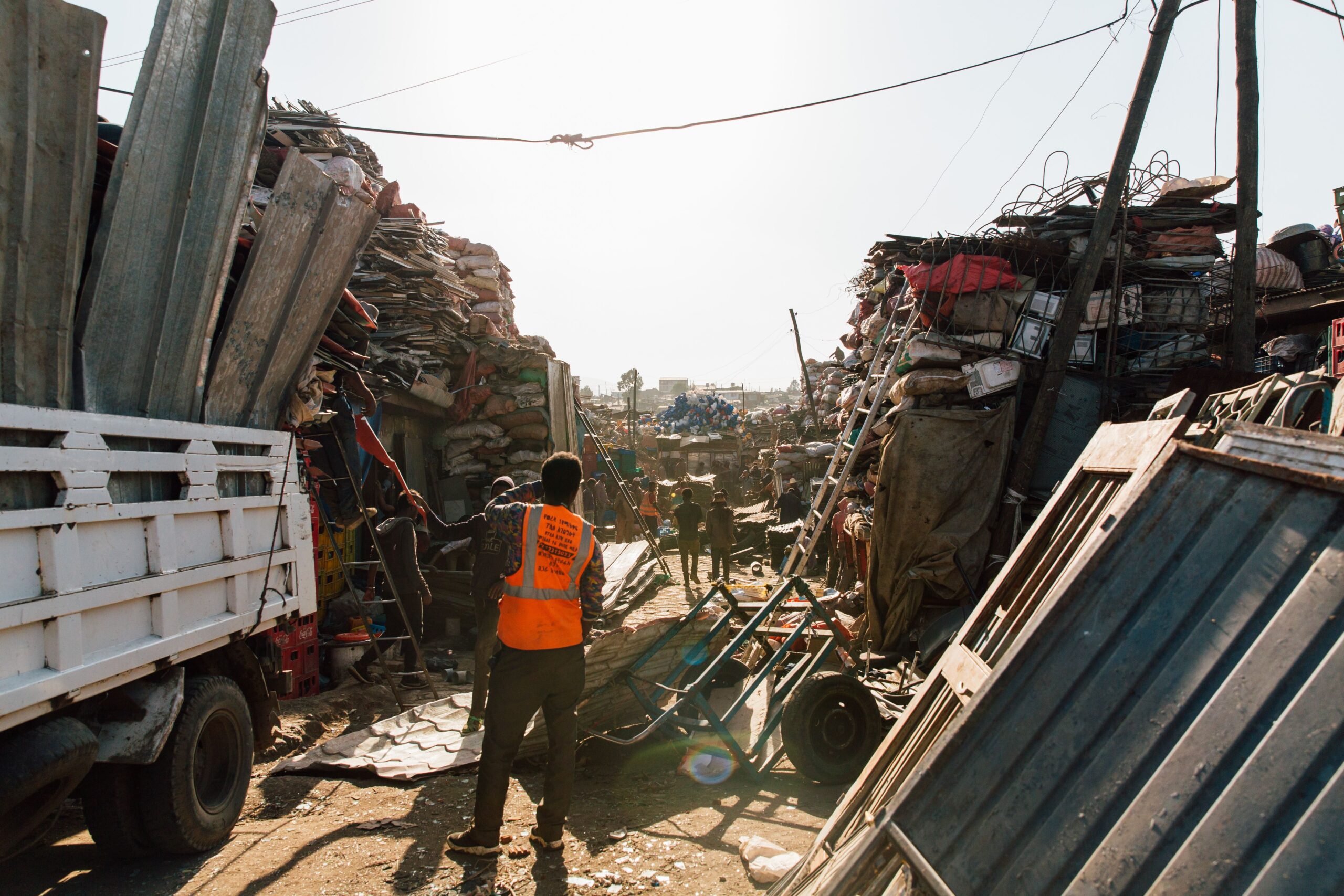
There is a landfill outside Bamako. It was built with significant local and international investment, designed to serve a growing city, and constructed to a reasonable standard.
It is also crumbling.
Not because of poor engineering, but because no one adequately considered who would run it, how it would be maintained, or whether the institutions responsible for it had the capacity to do so. Further, the 30km route from Bamako to the landfill wasn’t paved at the time the landfill became operational. The hardware arrived but the system and integration did not.
A Pattern That Repeats Across the Sector
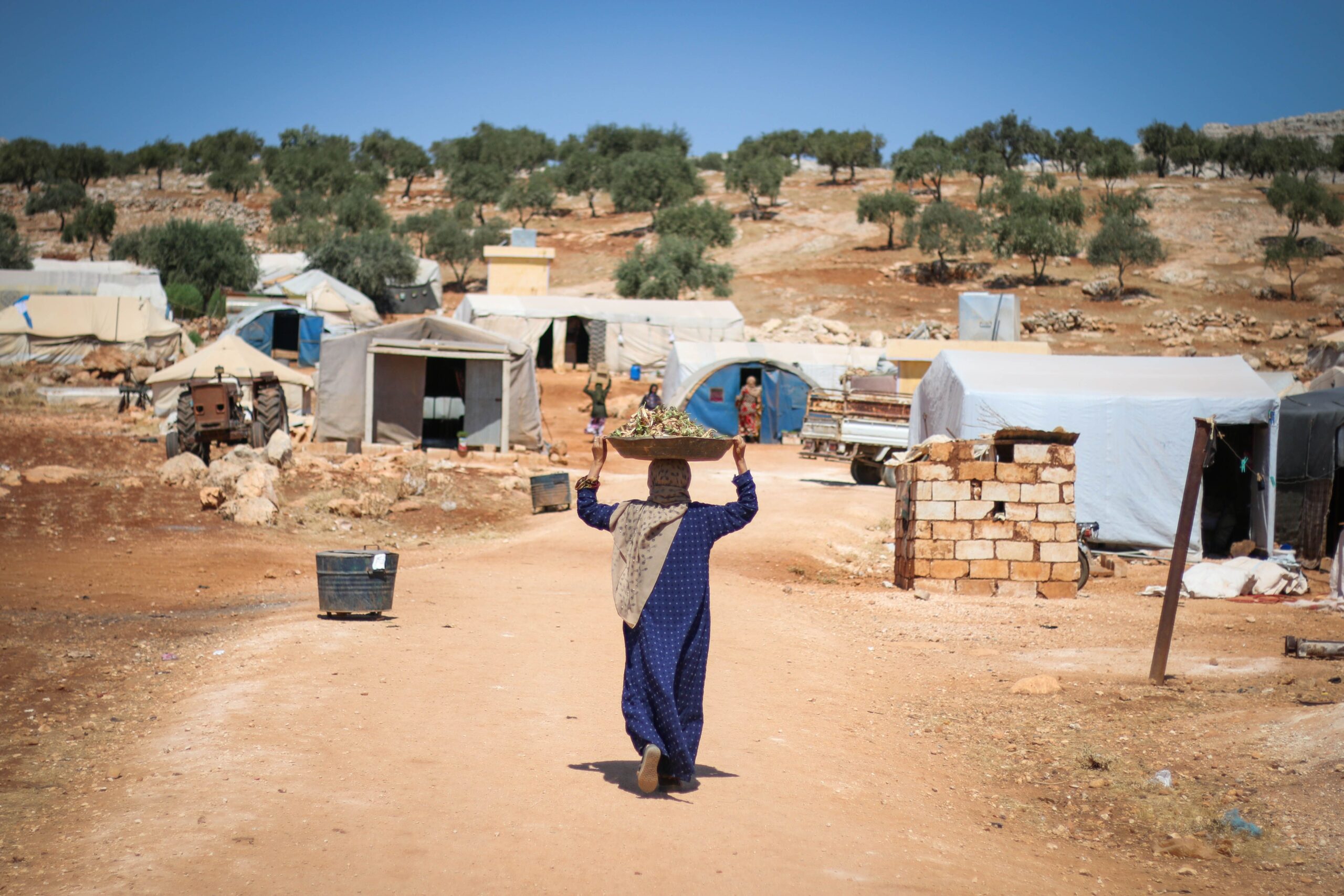
This story repeats itself across the infrastructure landscape of international development with a regularity that should, by now, be embarrassing. Toilets built and unused. Water points installed and broken. Fleets of vehicles procured and then left idle because the business model never made sense, the parts are unavailable, or the people expected to operate them have no incentive to do so.
The problem is not that infrastructure does not matter, because it does.
The problem is that infrastructure is being used as a substitution for progress, a visible, photographable, fundable indicator that something has been done. Meanwhile, the harder, less glamorous work of building functional systems that work for and by the people they are supposed to serve, is consistently underfunded, undervalued, and misunderstood.
Infrastructure Is Only One Thread in a Larger Web
A functioning sanitation system, for example, is not a set of toilets. It is a web of relationships, incentives, institutions, and economic realities. It includes the workers who empty pits and where they dispose of waste. It includes the entrepreneurs who have built informal collection businesses and the formal operators trying to compete with them. It includes municipal governments with limited budgets and complex political pressures. It includes the households making daily decisions about whether to use a service, how much to pay, and who to trust.
A functioning waste management system is not a high end landfill and sophisticated collection trucks, but yet another intricate web of interrelated actors working around the service and value chain, linking with agriculture and factories, supported by the local government and understood and accepted by the citizens.
When a project focuses narrowly on hardware such as procuring trucks, building facilities, installing equipment, it touches one thread of this web. When it does not simultaneously attend to the other threads, the hardware tends to fail. Not immediately, and not always visibly. But consistently.
Capacity Building is not the Alternative to Infrastructure—It’s the Foundation
There is a strand of thinking in some development circles that pushes back against capacity building as an alternative to infrastructure investment. The argument goes that we have spent too long training people and not enough time building things. This gets the diagnosis exactly backwards. The choice is not between hardware (or innovation) and capacity. The question is sequencing and integration: what needs to be in place for infrastructure to function, and who is responsible for it over time?
An unmanaged asset is worse than no asset, it consumes valuable resources, breeds dependency, and leaves a ruin (both physically and in the service chain) where once hope and a shift was promised.
Closing the Gap Between Language and Practice
The good news is that the sector knows this. Systems thinking has been a recognised framework in development for years. The language of integration, sustainability, and local ownership is everywhere in programme documents.
The gap is between language and practice. Between what gets written in a design document and what gets funded in a budget line. Closing that gap requires donors and implementers alike to resist the pull of the visible, and invest seriously in the unglamorous machinery of systems that actually work.


Comments are closed