
Excerpt
An advisor sent to Albania watched eight community-driven initiatives succeed while the one he created himself failed. It’s a pattern researcher Ranna Abdulhadi has seen repeat across urban development in the Global South: projects that deliver exactly what was requested still fail because no one took time to understand how people actually live. The lesson isn’t that local actors need less support. It’s that they need a different kind, one built on listening rather than arriving with answers to questions nobody asked.
A Tale of Two Urban Development Projects
Collective Expert and international advisor Stan Maessen was once sent to Albania with little more than a one-page terms of reference and an expectation that he would figure out the rest as he went. From that, nine separate initiatives emerged. While eight of those came from local stakeholders, one came from Stan himself, based on what he believed and with true conviction, was the most important opportunity in front of him.
The eight locally-driven initiatives succeeded. The one he created himself failed.
This story is both a telling personal anecdote and a structural argument for better development work. But it is not a unique one. Across the sector, from Albania to Accra to Ahmedabad, the same pattern repeats with remarkable consistency.
What Happens When Solutions Don’t Fit the Context
Researcher Ranna Abdulhadi has been studying WASH and urban development across the global south, particularly in India as part of her PhD research into housing and WASH (Water, Sanitation, and Hygiene) in urban slums in India. Her verdict is equally direct:
“We almost never end up doing what the community needs. Even if we do work on the topics that they find important, it’s often not in a way that fits them culturally or fits their very specific situation.”
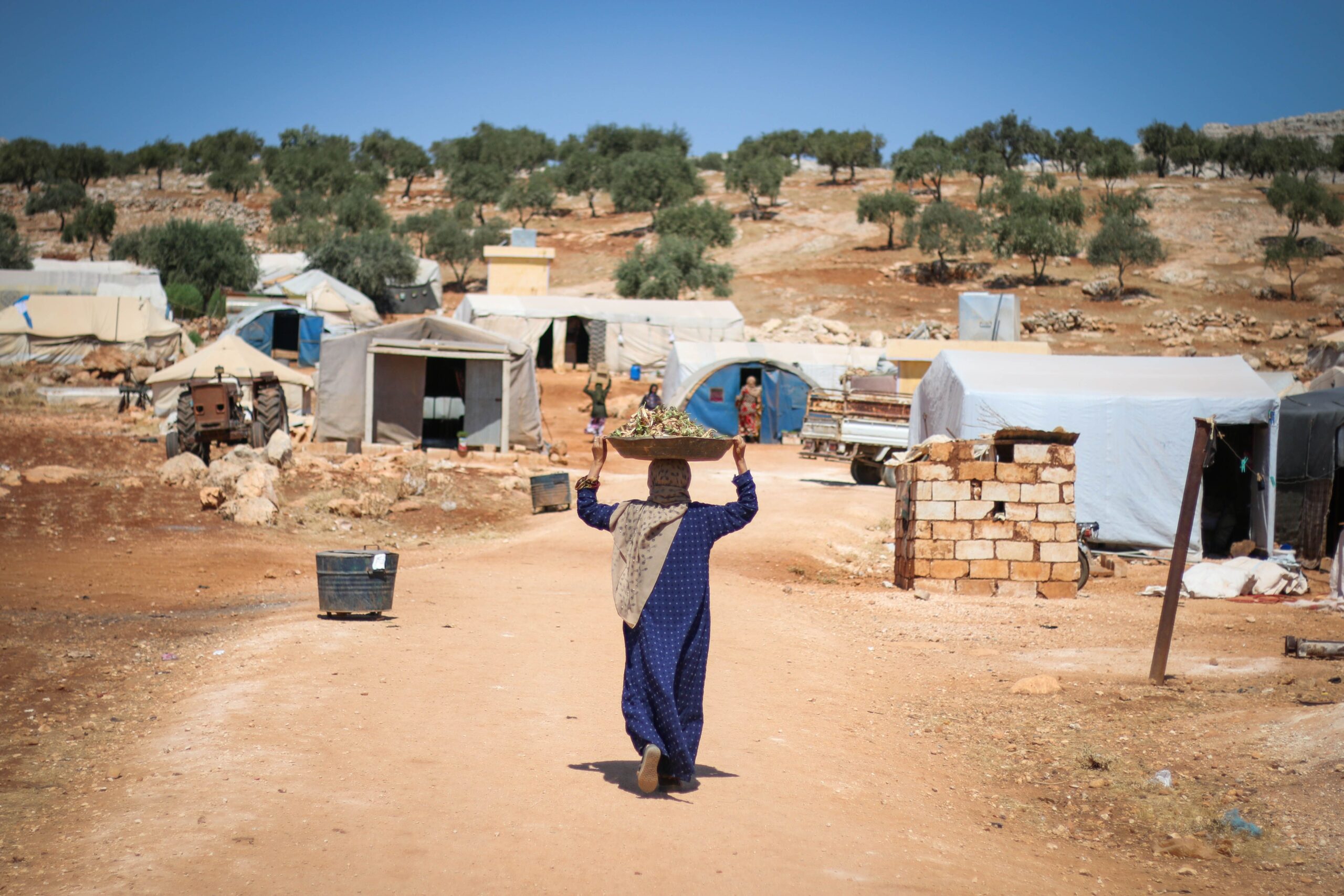
She offers a concrete example. Once upon a time, a community she spent time with requested toilets. They received them. However, with the toilets built into their small homes of six square metres, they were never used. The programme delivered exactly what was asked for, but built without considering where families cooked, prayed, ate, and slept, this attempt to help families improve their sanitation situations still failed, because no one took time to understand how people actually lived there and what their priorities were.
Stan’s story from Albania suggests that the limiting factor in development is not technical expertise, funding, or good intentions. It is the question of who is deciding what gets built. Ranna’s fieldwork confirms it and shows us a simple yet harsh truth. The problem is not only what gets decided by whom and where those decisions are made, but whether the decision-makers ever truly understand and care about the context those decisions land in.
When Grassroots Efforts Meets Sustained Impact
Where has Ranna seen genuine, lasting impact?
“Community-based organisations that focus on one community for like 15 years. They follow kids until they are in their 20s, and these kids then go on to do the work when they get older. I’ve heard many more success stories with that kind of model.”
Small. Embedded. Long-term. Accountable to the community rather than the donor.
These are the conditions under which development produces sustainable change. They also happen to be the conditions that the dominant funding model makes hardest to get off the ground and then sustain.
“It’s either grassroots with a lot of effect but no funding,” she observes, “or big with a lot of funding and not the desired sustainable effect.”
Rethinking What International Actors Should Actually Do
When large organisations partner with grassroots actors, the very qualities that make local work effective often get squeezed out by institutional frameworks. Local partners often end up doing what they think donors want to see, rather than the work they are actually good at.
The shift required is not a minor adjustment. It means international actors joining initiatives that local stakeholders already believe in rather than creating initiatives and convincing communities to adopt them. It means transferring real funding mechanisms and decision-making power, not just participation and taglines. It means ultimately, measuring success by the strength of local institutions rather than the visibility of an external footprint.
The lesson from Albania was not that local actors needed less support. It was that they needed a different kind, one that starts by listening to what people already believe in, rather than arriving with answers to questions nobody asked.

Comments are closed