Published: June 2026
Category: Urban Development
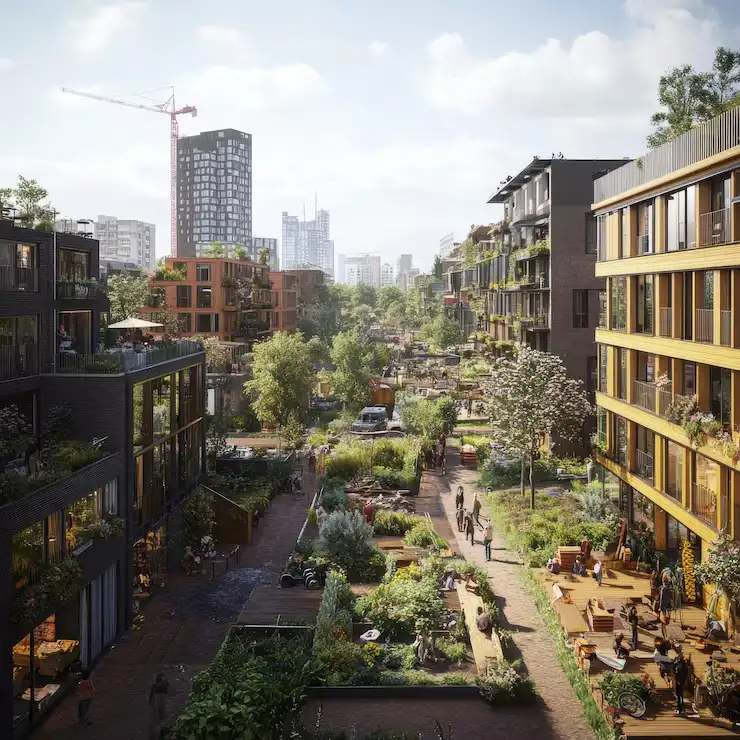
As cities continue to grow, the challenges of providing equitable access to services, infrastructure and economic opportunities become increasingly complex. Inclusive urban development offers a pathway to ensure that all residents—particularly vulnerable and underserved communities—can participate in and benefit from urban growth.
Community engagement plays a central role in creating sustainable urban solutions. When local residents are involved in planning and decision-making processes, projects are more likely to address real needs and achieve long-term impact. From sanitation and waste management to housing and public spaces, community-led approaches help strengthen ownership and accountability.
Governments, development organisations and private sector partners must work together to create policies and investments that support inclusive urban systems. This includes improving access to basic services, strengthening local institutions and promoting evidence-based planning.
As urban populations continue to rise, the future of cities will depend on collaborative approaches that connect people, policy and practice. By investing in inclusive development today, cities can become more resilient, sustainable and equitable for future generations.
Key Takeaways
✅ Community participation leads to more effective urban solutions.
✅ Inclusive planning improves access to essential services.
✅ Partnerships are critical for sustainable urban development.
✅ Evidence-based decision-making supports long-term impact.





Comments are closed