
Project Snapshot
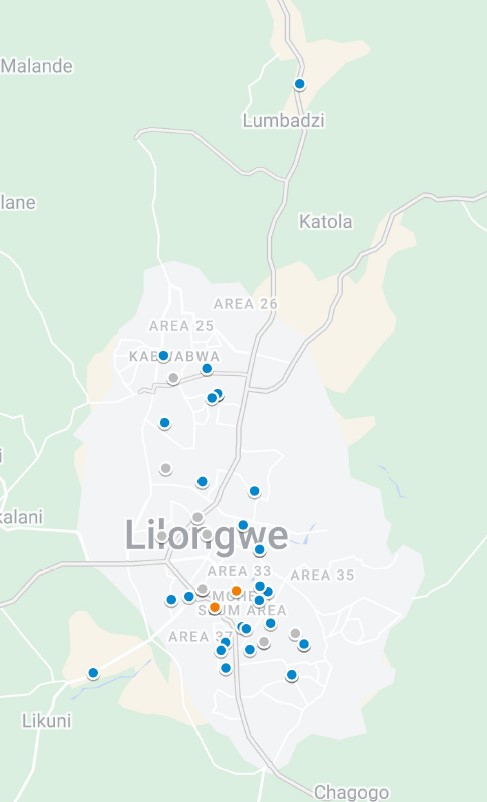
CLIENT & PROJECT:
Lilongwe Municipality (2022)
Assessment on the Solid Waste Management Value Chain
SERVICE AREA OF EXPERTISE:
Solid Waste Management, Value Chain Assessment, Urban planning
Project Details
Overview
The Collective (formerly WASTE COOP) advisors contributed to a comprehensive assessment of the solid waste management (SWM) system in Lilongwe, Malawi.
The project focused on understanding how the waste system functions in practice — from collection to processing — and identifying key gaps and opportunities for improvement, with a specific focus on the plastic value chain.
The Challenge
Urban waste systems are often fragmented, with limited visibility across the full value chain.
In Lilongwe, existing data and tools provided partial insights, but there was a need to:
- better understand how the system operates in reality
- identify inefficiencies and gaps across the value chain
- generate actionable insights to inform future investments and interventions
Our Approach
We combined systems analysis, diagnostic tools and targeted research to build a comprehensive picture of the waste system.
This included:
- Desk review of existing data on municipal solid waste management (MSWM)
- Gap analysis to identify system inefficiencies and missing links
- Plastic value chain analysis to understand material flows and opportunities
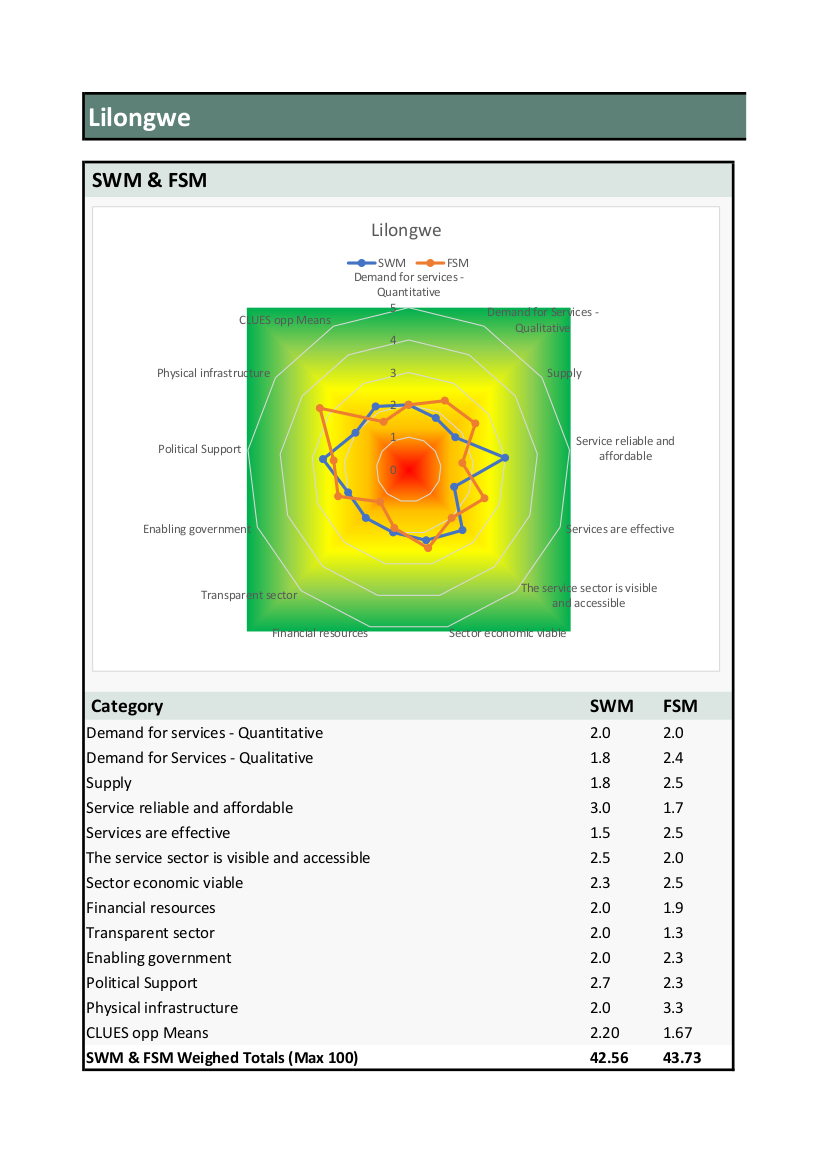
- Application of the WACT tool (Waste Wise Cities, UN-Habitat) to assess service delivery and system performance
- Collaboration with local partners (WASTE Malawi) to ensure contextual relevance and alignment
What We Delivered
The project resulted in a set of practical outputs to support decision-making and future programming:
- Solid Waste Management Value Chain Assessment for Lilongwe
- SQUAT tool-based evaluation (city-level diagnostic dataset)
- Waste flow diagram visualising how materials move through the system
Impact & Outcomes
The assessment provided a clear, system-wide understanding of how waste management functions in Lilongwe, including:
- identification of key gaps and inefficiencies
- improved visibility of the plastic value chain
- a foundation for evidence-based planning and investment
The work directly informed follow-up initiatives, including the development of a subsequent project and further refinement of system diagnostic tools.
Looking Ahead
This work contributed to the continued development of the SQUAT tool and informed future system-strengthening efforts in Lilongwe and beyond.
It demonstrates the value of combining practical tools, local collaboration and systems thinking to support more effective and inclusive urban services.
Constructed Wetlands for Wastewater Management (Adama, Ethiopia)
Project Snapshot CLIENT & PROJECT: Waternet International & Adama city Realisation and testrun of a constructed wetland for housing[…]
Comments are closed